The current “protein” and carnivore craze is encouraging people towards meat-heavy diets through an extraordinary combination of social-media influencers, advertising and a powerful global meat industry, reinforced in many countries by governments with major economic interests in agriculture and meat production. Yet a meat-heavy diet has never been a universal human way of eating, and the evidence increasingly connects high consumption of red and processed meat with inflammation, cardiovascular disease, type 2 diabetes, certain cancers and premature mortality. The problem is not an occasional piece of meat but the deliberate promotion of meat-heavy eating as a health strategy, particularly the idea that “more protein” automatically means “more meat”. The evidence does not support that message.
Soy foods such as tofu, tempeh, edamame and other traditional soy products provide substantial protein and have been eaten for generations across East and Southeast Asia. The widespread claim that soy dangerously raises oestrogen or disrupts hormones is not supported by the human evidence. Soy isoflavones are phytoestrogens, but they do not behave in the human body like oestrogen in the simplistic way often claimed. Research has also found potential benefits for some menopausal symptoms, with effects appearing particularly relevant in Asian populations. For women approaching or experiencing menopause, soy is therefore a food worth embracing rather than fearing.
So what can we do?
Boring as it seems – soy, beans, lentils, peas, whole grains, nuts, seeds and vegetables provide all needed protein together with essential fibre and a vast range of other nutrients and plant compounds.
In the Stanford randomized identical-twin trial, 22 pairs followed either a healthy vegan or healthy omnivorous diet for eight weeks, and the vegan group had significantly lower LDL cholesterol, fasting insulin and body weight – after just eight weeks!
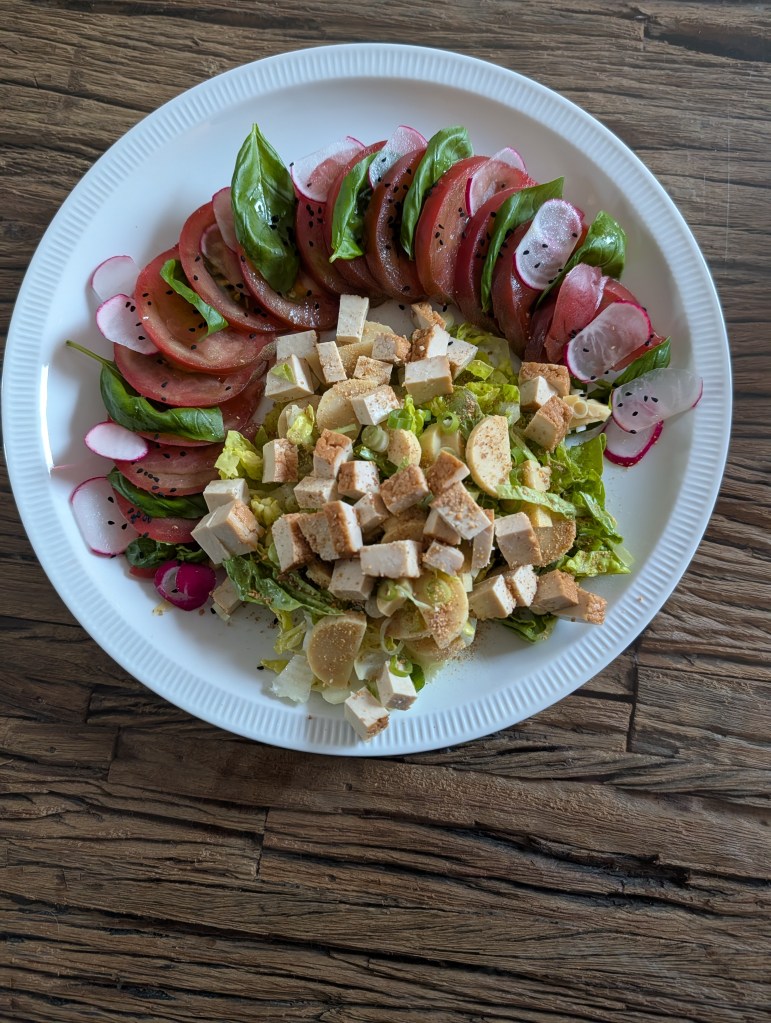
Alongside the wider evidence examined by NutritionFacts.org and the research surrounding the film The Game Changers, this gives us something genuinely encouraging: eating for better health does not require complicated rules or chasing ever-higher protein targets. We can simply put more beans, lentils, peas, tofu, tempeh, whole grains, vegetables, nuts and seeds on our plates, and let these foods become the foundation of our everyday meals. Small changes, repeated day after day, can move us towards a diet that supports our hearts, our metabolism, our healthy ageing and our chances of living not merely longer, but better.
see for yourself –
thegamechangers –https://www.youtube.com/watch?v=iSpglxHTJVM
nutritionfactshttps://nutritionfacts.org/topics/protein/
the twin studyhttps://www.youtube.com/watch?v=oygkWmXyOaM

