let’s start with cheese
Cheese is highly addictive due to the casein, salt and fat in it.
The producers of cheese products know this, they have known this for quite some time, they prepare the cheese they sell to you specially to make it as addictive as possible so you will be forced to buy and eat more and more of it
They do not care what it does to your health and your mind, except to condition you into buying and eating more cheesy things. The problem is, how do you stop eating something you like to eat which is in or on just about everything we eat?
Once you know it is addictive and is so very unhealthy, how do you stop?
Despite the fact that you believe you like it.
We’ll work on this together
I had some trouble stopping myself eating cheese, it was exactly the same trouble I had when I quit smoking. Not only is it fattening and unhealthy, it is also addictive, just like sugar and salt which are also added to just about everything we eat.
Cheese is everywhere, on your Pizza, in your sandwich, in lasagne, in your macaroni, on your spaghetti, It is really hard to think of a meal that does NOT have cheese in it when you first start out NOT eating cheese. It is also, so moreish, we all love to eat lots of it. The advertisers tell us we love it and we readily and happily agree with them.
Melting gooey sticky stringy oily yellow cheese
On everything
So it’s even harder to quit that smoking, because at least these days we are not bombarded with smoking messages saying how cool it is and great it is and good for us it is. The food marketing industry is now using the exact same strategies the tobacco industry used to make us eat more cheese, like more cheese and defend our sacred cheese.
It’s such clever brainwashing we don’t even know we are brainwashed
Just look at advertising
Or rather, don’t
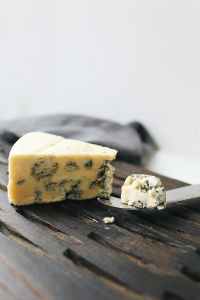
We have come a long way from the delightful brie made by Mr. local farmer, or the real traditional stilton. The cheese being sold to us now is not really cheese at all, certainly not in the traditional artisan sense. What we get now is a poor reflection of the old local cheese makers varieties, so much so it’s impossible to name any but the most well known mass produced ones. Think about it, what locally produced cheese can you name, or better yet, do you eat?
If we can get ourselves to the point that we stop eating this mass produced muck and go back to occasionally treating ourselves to a local handmade speciality, we are already ahead.
Try not to eat anything with cheese on it for a few days at a time. Say ‘hold the cheese’ and find out how dishes taste without it. It worked for me, it can work for you. Try it and think about how you feel.
As you start paying attention to how you feel and what you think it will become easier to stop eating cheese altogether.
Only when you have reached this stage will you realise how prevalent cheese is in your life and your diet. You will also notice you feel a lot lighter and have less trouble with your knees.
 How to stop eating cheese